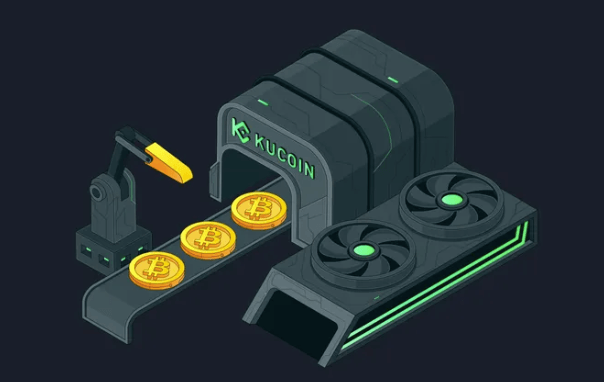
Crypto mining uses computer power to validate transactions and secure a blockchain. Miners compete to solve a math puzzle, and the first to succeed creates a new block linked to the chain. Once verified, the block adds to the ledger and the miner earns coins plus transaction fees. The system relies on incentives, halving events, and fees to sustain security and growth. The practical implications for energy use, hardware, and economics invite closer examination as the next steps unfold.
What Crypto Mining Is and Why It Matters
Crypto mining is the process by which new units of a cryptocurrency are created and transactions are verified and added to the blockchain. It explains how network security and consensus enable trust without central authorities. The topic emphasizes mining economics, incentives, and scalability. It also highlights energy efficiency trends, technological innovation, and the balance between throughput, costs, and environmental responsibility.
How Miners Solve Puzzles and Add Blocks
Miners solve puzzles and add blocks by competing to produce a valid new block of transactions before others do.
The process relies on puzzle solving and hash computation to meet network rules, ensuring integrity.
Each new block references the previous one, forming a verifiable chain.
This competition sustains decentralized consensus and enables reliable block adding across the distributed ledger.
Rewards, Halving, and Fees: How Miners Get Paid
Rewards in Bitcoin and similar networks align incentives through a structured payout: miners receive block rewards and transaction fees, with governance-driven adjustments that influence supply over time.
Rewards distribution remains predictable yet tempo-adjusted by halving events, while fee economics reflect demand and network congestion.
Miners monetize these flows, balancing block maturity, energy costs, and long-term network security for individual freedom and system resilience.
See also: How Crypto Mining Rewards Work
Getting Started Safely: A Beginner’s Roadmap
Getting started safely requires a structured, methodical approach.
A beginner’s roadmap emphasizes research, budgeting, and risk awareness.
Prospects should compare algorithm demand, initial costs, and power efficiency using data-driven metrics.
Prioritize safe hardware to reduce fire hazards and downtime.
Consider legal considerations, ongoing compliance, and energy regulations.
Maintain security practices, monitor profitability, and plan scalable upgrades before committing capital.
Conclusion
In the quiet hum of countless rigs, the ledger grows a little more certain with each solved block. Miners chase probability, fees, and the cadence of halving, watching rewards ebb and flow like tides. The system’s strength hinges on relentless computation and transparent consensus, even as energy costs and technology evolve. What seems routine now could reshape trust, value, and access—until the next puzzle arrives, and the cycle resumes, quietly redefining decentralization’s edge.
